
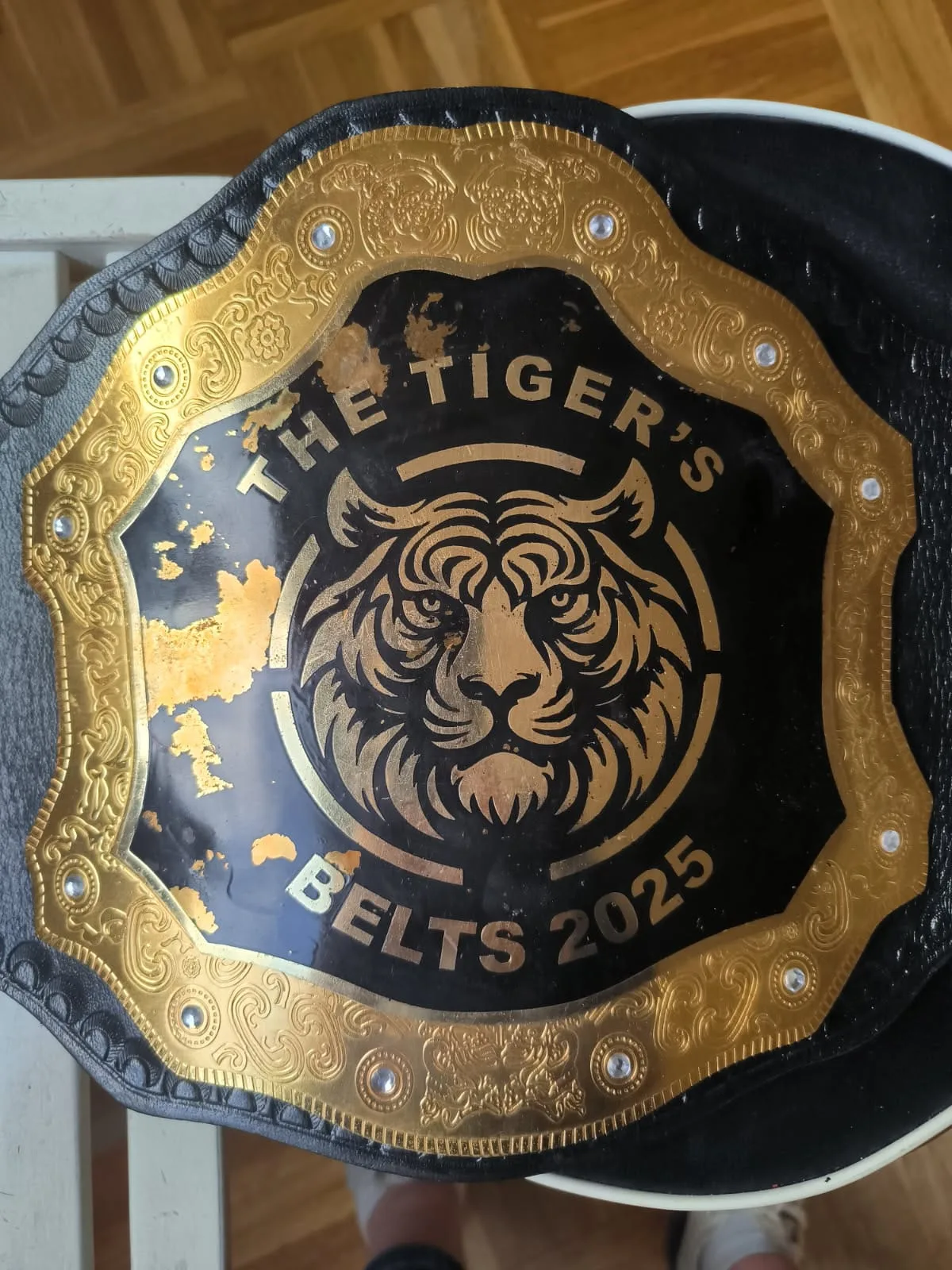
How to Make Sure a Custom Championship Belt Matches the Approved Artwork
The safest way to make a custom championship belt match its approved artwork is to treat that artwork as the shared manufacturing reference—not just a design preview. Before final approval, confirm the logos, names, wording, plate layout, side plates, colours, finishes and event-specific details that matter. After manufacturing, use pre-shipment photos or video where applicable to compare the visible finished result with that approved version before dispatch.
This matters especially for a fixed-date boxing event. Promoters and procurement buyers may be coordinating sponsors, fighter names, titles, several decision-makers and a delivery deadline at the same time. A clear approval process creates one reference that both buyer and supplier can return to when the design is approved, production begins and the finished belt is reviewed.
If you are still defining the product route, start with the custom championship belts page. If the event date is already fixed, include that date in the first brief rather than waiting until artwork approval.
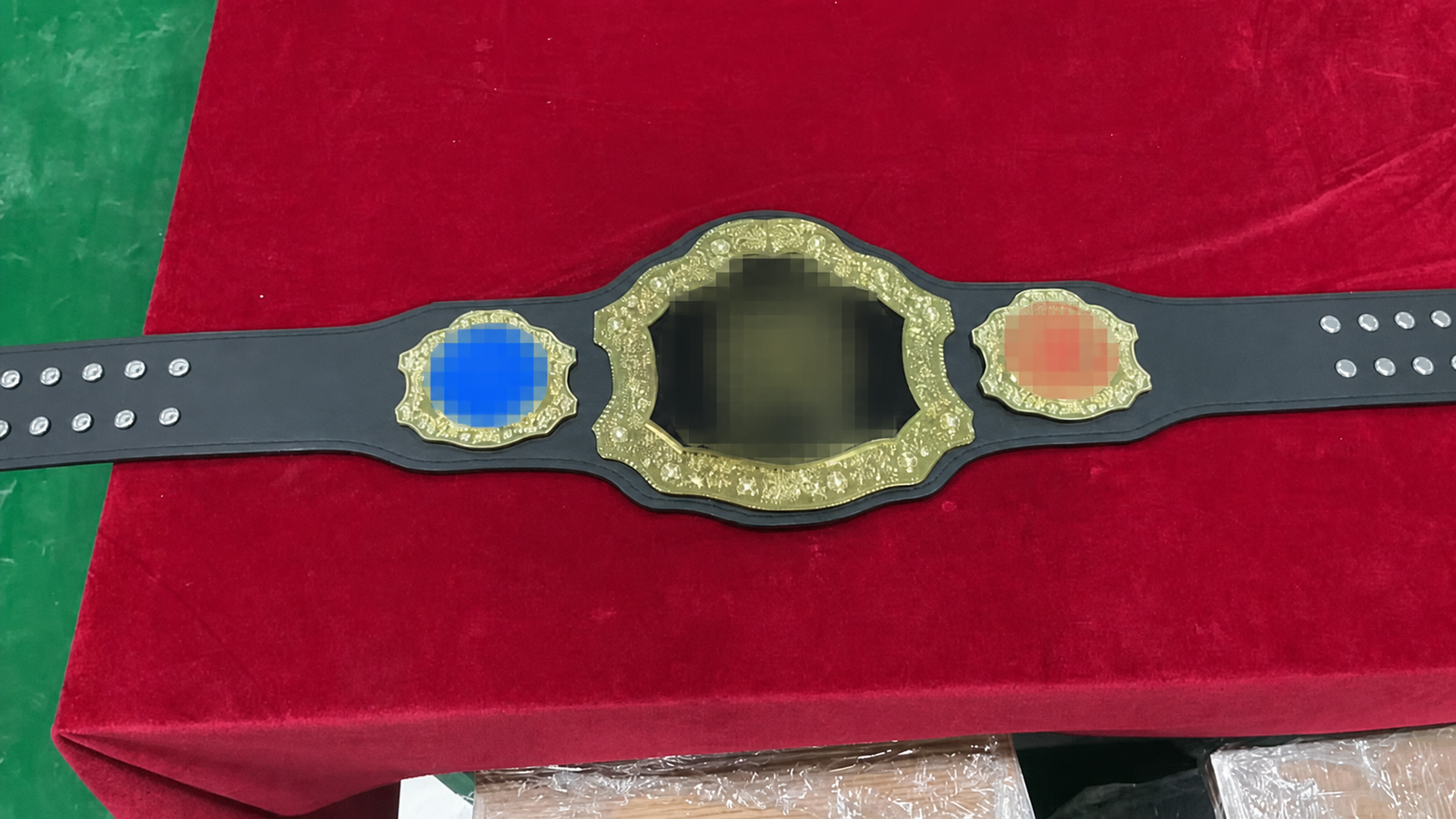
Why Artwork Match Matters for a Fixed-Date Boxing Event
A championship belt is often more than a piece of equipment. It may appear in sponsor presentations, weigh-ins, media content, winner photographs and the event itself. That makes visible details—names, logos, side plates, colour areas and finish—commercially important as well as cosmetic.
First-party buyer conversations around fixed-date belt projects show why this matters. Concerns can arrive together: visible finish issues, several sponsor or event logos, a specific centre-plate concept, custom side plates, colour and finish decisions, and a deadline that cannot simply move with production. In that situation, the buyer is not only asking whether a belt can be produced. The more useful question is whether the finished result can be checked against the version that was actually approved before it ships.
The practical lesson is simple: final artwork approval should answer the same questions that the finished belt will later be judged against.
- Is the correct logo on the correct plate?
- Are every name, title and date spelled correctly?
- Does the centre-plate and side-plate hierarchy match the approved layout?
- Are the colour and finish expectations clear?
- Has one authorised decision-maker approved the final version?
- Will someone compare the finished belt with that version before dispatch?
What Should Approved Championship Belt Artwork Actually Confirm?
Approved artwork should describe the intended finished belt clearly enough that both sides can point to the same version. A reference image can show direction, but a final approval should remove avoidable ambiguity about the details that matter.
| Artwork area | What the buyer should confirm | Why it matters |
|---|---|---|
| Logos | Which logo belongs on the centre plate and each side plate; whether the supplied files are the final versions. | Prevents an older or incorrect logo from becoming the production reference. |
| Names and wording | Spelling, capitalisation, titles, dates and event-specific text. | Text errors become highly visible once they are reproduced on the finished belt. |
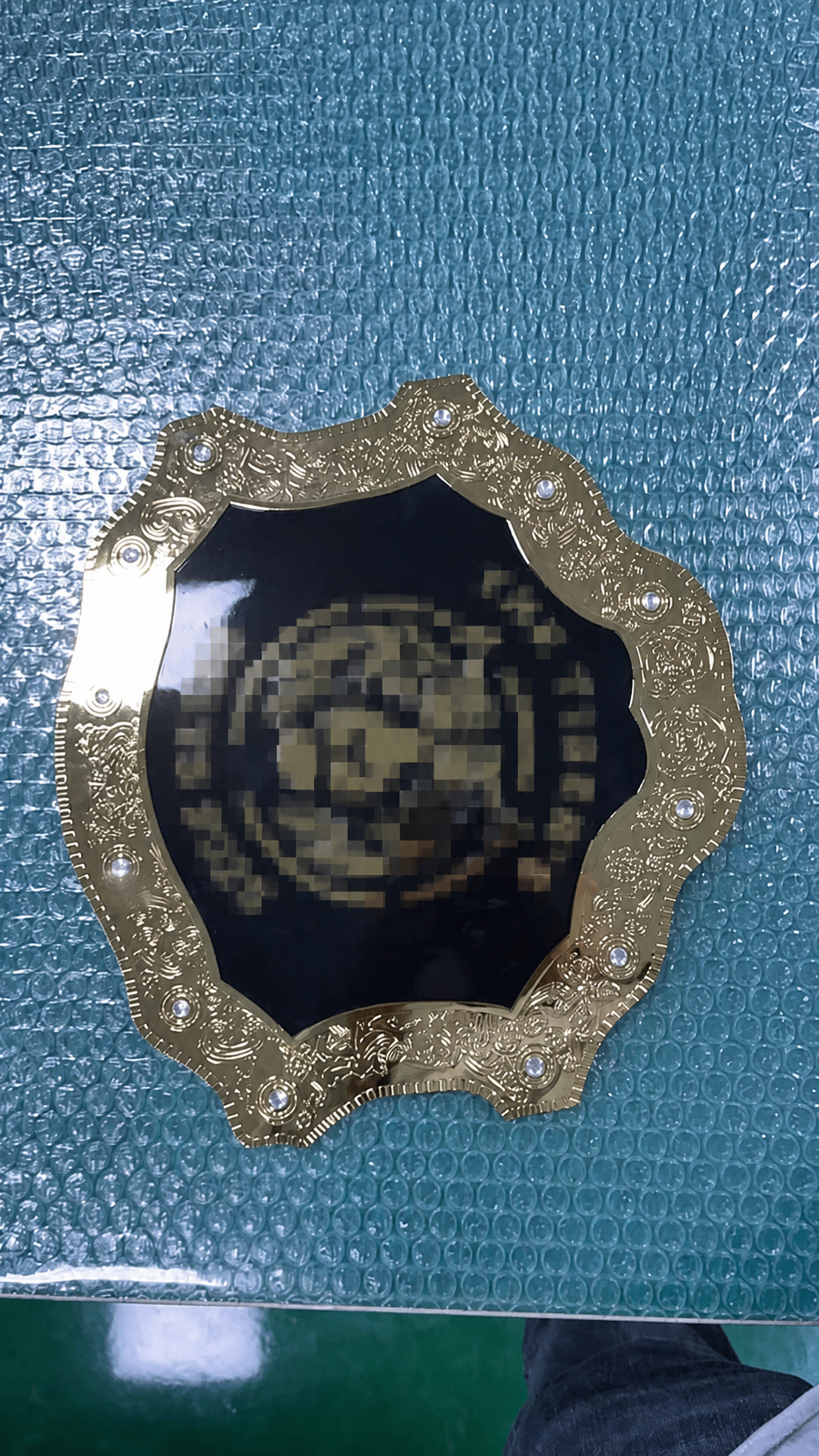
| Plate layout | Shape, hierarchy, relative scale, spacing and position of the major elements. | Defines how the design reads as a complete belt rather than as separate logos. |
| Side plates | Whether they are customised and what information or logo each one carries. | Side plates are easy to overlook when most attention stays on the centre plate. |
| Colours | Which areas are coloured, which remain metal and how colour areas relate to the approved design. | Reduces vague expectations such as simply asking for “gold” or “black”. |
| Surface finish | The agreed appearance associated with electroplating, baked paint, engraving and other confirmed treatments. | Connects the visual artwork with the actual production route. |
| Strap and presentation | Strap colour, visible hardware and the overall relationship between the plates and strap. | Helps the buyer review the belt as a complete presentation piece. |
For the current PunchPowerUp belt route, custom colours are supported, with electroplating and baked paint used as part of the finishing process. The main plate is brass, the strap is synthetic or faux leather, side plates can be customised, and machine metal engraving is used for logo or text work. These production facts should be confirmed as part of the specification rather than inferred from a visual reference alone.
The Artwork-to-Production Workflow
The approved artwork sits inside a larger order process. Understanding where it sits helps a buyer know which decisions still remain open and which decisions are about to become production instructions.
| Stage | Buyer action | Supplier action | Main risk to control |
|---|---|---|---|
| Brief | Send quantity, event date, logos, wording, colours and visual references. | Review requirements and clarify missing information. | Different people assume different files or requirements are final. |
| Quotation | Confirm the commercial scope and destination. | Provide the final quotation for the agreed route. | Price is accepted before the specification is sufficiently clear. |
| Payment | Confirm the order and make the required 100% full payment. | Begin formal custom design work after payment. | The buyer counts artwork time before the formal design stage has begun. |
| Formal artwork | Review one design version with the authorised decision-maker. | Prepare the custom artwork for approval. | Late comments, unclear logos or multiple feedback streams create avoidable rework. |
| Final approval | Approve one clearly identified final version. | Use that approved artwork as the manufacturing reference. | An older file or informal message is mistaken for the final instruction. |
| Manufacturing | Remain available for genuinely necessary clarification. | Produce the belt to the approved route. | Changes requested after approval affect timing or scope. |
| Pre-shipment review | Compare visible finished details against the approved artwork. | Provide photos or video where applicable. | An obvious visible question is discovered only after arrival. |
| Shipping | Confirm destination and import responsibilities. | Arrange the agreed shipping route. | Production completion is mistaken for final delivery. |
Step 1 — Give the Supplier a Clear Brief
The brief is the first control point. It tells the supplier what the belt must communicate and separates required details from inspiration or reference material.
For a custom championship belt, prepare:
- the quantity required;
- the fixed event or gala date;
- the event, promotion, sponsor or organisation logos that must appear;
- all names, titles, dates and required wording;
- preferred colours and surface finish;
- the preferred centre-plate and side-plate arrangement;
- reference images that show the intended style;
- the destination country and delivery location; and
- the person who has authority to approve the final artwork.
Original high-resolution logo and artwork files are especially useful when the design includes engraving, metal shapes or small text. AI, PSD and SVG source files are preferred where available. If the only available reference is a screenshot or low-resolution photograph, say so at the start so the supplier can identify whether additional source material is needed.
The standard MOQ for custom championship belts is 10 pieces. A single belt may be possible with an additional sample fee, but the route and timing should be discussed in the quotation. Quantity therefore belongs in the first brief because it affects the commercial and production plan.
Step 2 — Review the Formal Artwork Like a Production Document
The review stage should be practical, not ceremonial. The artwork is about to become the reference for manufacturing, so small errors deserve the same attention as the main visual concept.
- Read every name, title, date, number and event-specific phrase.
- Check every logo against the final source file supplied.
- Confirm which artwork belongs on the centre plate and each side plate.
- Check the visible proportions, spacing and hierarchy of the plates.
- Confirm the intended colour areas and finish.
- Review strap and hardware presentation where shown or specified.
- Have the authorised decision-maker approve the exact same version.
Do not rely on the fact that a familiar logo “looks close”. Zoom in on small wording, compare logos with the original source files and verify names with the person or organisation that supplied them. Once final approval is given, manufacturing can begin against that version.
Step 3 — Consolidate Changes Before Final Approval
Custom event projects often involve more than one stakeholder: a promoter, sponsor, designer, procurement contact or event manager. The risk is not simply “too much feedback”. The real risk is receiving several different versions of what each person believes is the final instruction.
Choose one approval owner. Collect comments internally, resolve contradictions and send one consolidated revision list. The current belt process supports one artwork revision, so the review should be organised around that limit rather than a series of informal changes.
A useful revision response should state:
- what is already approved;
- what must change;
- which logo or artwork file is the final source;
- which wording has been checked; and
- who will approve the revised version.
This creates a cleaner decision trail and reduces the chance that a late message changes a logo, name, colour or plate detail after the team believes the artwork is complete.
Step 4 — Understand What Final Artwork Approval Means
Final artwork approval is the point where the buyer confirms the version that manufacturing should follow. It is not the beginning of an open-ended design discussion.
The current order sequence is:
- requirements and specification discussion;
- final quotation;
- customer order confirmation;
- 100% full payment;
- formal custom artwork and design;
- final artwork approval;
- manufacturing;
- pre-shipment review where applicable; and
- shipping.
Formal custom design work begins after the required full payment. Manufacturing begins after final artwork approval. A change requested after approval can therefore affect timing or require the confirmed route to be reassessed.
If your belt is tied to a fixed event date, also read when to order custom championship belts before a boxing event. Artwork approval is only one dependency: requirements, quotation and payment come before it, while manufacturing, pre-shipment review, shipping and customs come after it.
Step 5 — Compare the Finished Belt Before Dispatch
Where applicable, pre-shipment photos or video create a practical second control point. They do not replace the agreed specification and they do not turn a visual review into a certified inspection. Their value is simpler: they allow the buyer to compare visible finished details with the approved artwork before the belt is dispatched.
Useful views may include the complete belt, the centre plate, each side plate, the strap and any detail that was particularly important in the approved design. The buyer should also decide in advance who will review the media so that obvious questions are not left until the shipment is already moving.
If something appears different, identify the exact area instead of saying only that the belt “looks wrong”. Point to the plate, wording, logo, colour area, orientation or finish that needs clarification and compare it with the approved artwork and confirmed order information.
The Portfolio & Proof page shows the role that product, sample, QC and packing evidence can play without inventing customer stories or unsupported certification claims.
What Should You Check in Pre-Shipment Photos or Video?
Use a short visible-check list rather than trying to turn photographs into a complicated inspection system:
- Text: spelling, names, numbers, titles, dates and event wording.
- Logos: correct logo and correct plate placement.
- Plate layout: centre-plate and side-plate arrangement and orientation.
- Colour and finish: visible appearance compared with the approved design and agreed process.
- Surface condition: obvious visible scratches, marks, missing paint or unfinished-looking areas.
- Overall presentation: belt shape, strap and how the complete product reads visually.
This is a practical buyer review method, not a certified inspection standard and not a guarantee that photos can reveal every possible issue. The purpose is to keep the approved artwork useful after production rather than letting it disappear from the project once manufacturing begins.
Five Artwork Problems Buyers Can Prevent Before Production
1. A name, title or date is wrong
Names and event wording should be checked by the person responsible for supplying them. The safest time to catch a spelling issue is before final approval, not after it has become part of the manufacturing reference.
2. The wrong logo version is used
Sponsors and event brands often have several logo files. Identify which file is final and avoid sending multiple near-identical versions without an explanation.
3. Several people send separate “final” changes
Nominate one approval owner and consolidate feedback. This is especially important when promoters, sponsors and designers are all involved.
4. Colour or finish is described too vaguely
Words such as “gold”, “red” or “black” do not by themselves define which parts should be plated, painted or left as metal. Tie colour instructions to specific areas of the approved design and the confirmed production route.
5. A reference image is treated as a complete specification
An inspiration image can communicate style without defining exact wording, logo placement, plate arrangement or finish. Mark which details are required and which are only visual references.
What If the Finished Belt Looks Different From the Approved Artwork?
Raise the question as early as possible, preferably during the pre-shipment review where applicable. Compare the visible difference with the approved artwork, quotation and confirmed specification, then document the exact point with a clear image or video reference.
Different-looking does not automatically mean the same thing in every project. The question may involve wording, placement, colour or finish expectations, a change requested after approval, or how a design element translates into the agreed metal and paint process. The comparison should therefore start with the documented project reference rather than a general impression.
If a material order issue is identified, it should be reviewed against the confirmed specification and agreed order terms. This page does not create a blanket remake or refund promise.
How Artwork Approval Affects the Event Timeline
Artwork approval is one dependency inside the complete order path. Current planning figures are approximately 20 working days for a sample, 30 working days for a standard bulk order and 40 working days during peak periods. Those are production-planning figures, not universal door-to-door delivery times.
Before production, the project still needs requirements, quotation, order confirmation, full payment, formal artwork and final approval. After production, the project may need pre-shipment review, dispatch, shipping, customs and arrival inspection. A fixed event date should therefore be included in the first RFQ, not introduced after the artwork has already been approved.
Rush belt production is not supported. Starting earlier gives the buyer more room to consolidate artwork changes and gives the supplier a better basis for assessing the quantity, production period and destination together. For shipping and customs boundaries, see Shipping & Customs.
What Should You Send With Your RFQ?
A complete RFQ helps the supplier assess the design and the schedule at the same time. Include:
- Quantity: the standard MOQ is 10 pieces; a single belt may be possible with an additional sample fee.
- Event date: plus any earlier date when the belts must be available for inspection, photography or presentation.
- Logo files: final or best-available versions.
- Names and wording: titles, dates and event-specific text.
- Reference images: with a note explaining which details are mandatory and which are inspiration only.
- Colour and finish preferences.
- Plate arrangement: including side-plate requirements.
- Destination country and delivery location.
- Approval owner: the person responsible for the final artwork decision.
When these details are ready, use the custom quote page (see the quote box below). If you already have a concept, attach it, but still describe the wording, plate layout and finish requirements in writing.
FAQ
Can I see the championship belt design before production?
Yes. Formal custom artwork is prepared for buyer review before manufacturing. Check the logos, wording, plate layout, colours, finishes and side plates before giving final approval.
What does “approved artwork” mean for a custom championship belt?
It is the final design version the buyer has reviewed and approved for manufacturing. It should clearly identify the logos, wording, plate arrangement, colours, finishes and other agreed visible details that the finished belt can later be compared against.
Can I change the artwork after approval?
Changes after final approval can affect timing because manufacturing begins after approval. Raise any necessary change immediately and ask how it affects the confirmed order. The current belt process supports one artwork revision, so consolidate feedback before final approval.
How do I check whether the finished belt matches the approved design?
Where applicable, compare pre-shipment photos or video with the approved artwork. Check text, logo placement, plate layout, side plates, colour and finish appearance, and obvious visible surface issues.
Can you send photos or video before shipping?
Pre-shipment photos or video can be provided where applicable. They give the buyer a practical visual review point before dispatch.
What artwork files should I provide?
Provide the clearest available logo and artwork files together with all wording and plate instructions. AI, PSD and SVG source files are preferred where available. If you only have a photograph or low-resolution image, mention that early so its suitability can be assessed.
Can championship belt side plates be customised?
Yes. Side plates can be customised. Their artwork, wording, logo placement and orientation should be confirmed in the approved design instead of being assumed from the centre plate.
What happens if a name or spelling is wrong in the approved artwork?
Raise the issue immediately. The buyer should verify names, titles and event wording before approval because manufacturing follows the final approved artwork. A late correction may affect the production schedule.
Does artwork approval affect production timing?
Yes. Manufacturing begins after final artwork approval. A late approval or post-approval change reduces the time available for manufacturing, pre-shipment review, shipping, customs and arrival before a fixed event.
Use the Approved Artwork as the Shared Reference
The goal is not to make the approval process complicated. It is to remove avoidable ambiguity before manufacturing begins. A clear brief defines the requirement, formal artwork makes that requirement visible, final approval identifies the version manufacturing should follow, and pre-shipment media gives the buyer a practical opportunity to compare the visible result before dispatch.
For a fixed event, start early enough to discuss quantity, destination and production timing. Give one person authority to approve the design, consolidate changes, check every name and logo, and keep the approved artwork as the shared reference throughout the project.
Related reading
Before artwork approval, the belt ordering-timeline guide linked earlier in this article covers the production and shipping timeline this approval step sits inside, and Custom Championship Belt Cost: What Changes the Quote? explains how plate and finish decisions affect price. Once the belts are made, the shipping and customs page linked above covers what happens between dispatch and delivery. If the belts are one of several things you’re ordering for the same event, the fight night supply checklist shows which categories to ask about first.
Editorial note: Product specifications and commercial rules are stated only where verified. Published and updated dates come from the WordPress post record.